
The High Speed of an Asian Restaurant
Running a successful Asian restaurant requires a completely different mindset than a standard bistro. The kitchen is louder, hotter, and moves at a pace that can scare new cooks. While a steak takes minutes to grill, a stir-fry is done in seconds. This means your team must be focused and sharp every single minute of the shift.
The Foundation of Rice Logistics
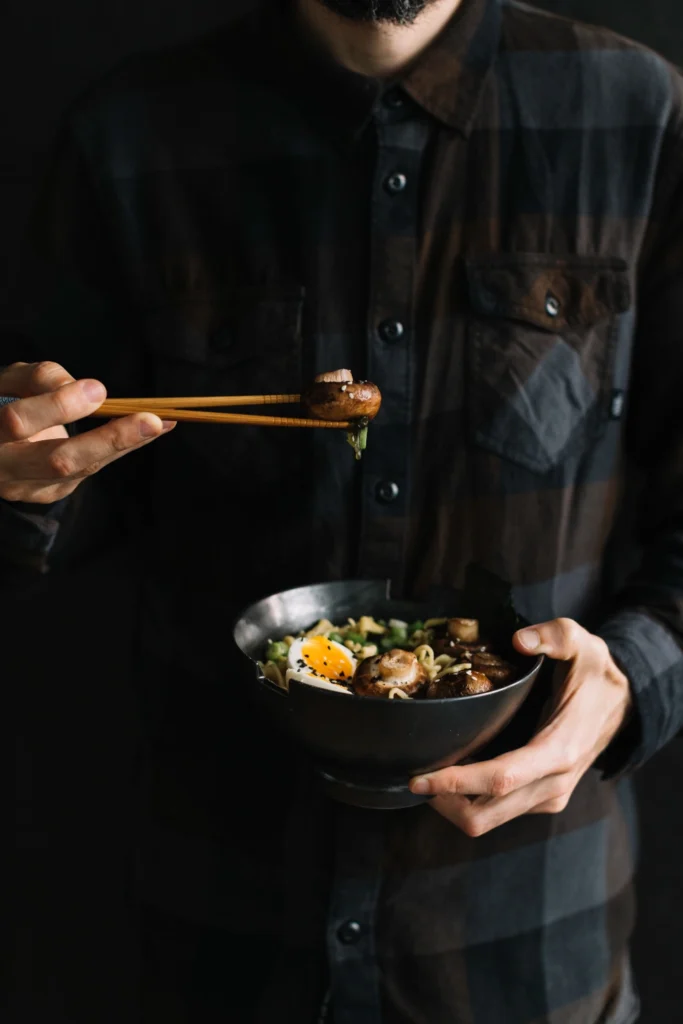
Rice looks simple but it is the backbone of the entire operation. You cannot run out of it during a rush but you also cannot serve old rice that has dried out. We wash and cook massive amounts of grain daily. Managing the timing of these batches is a critical skill. If the rice cooker stops working, the whole restaurant stops functioning immediately.
The Art of Preparation
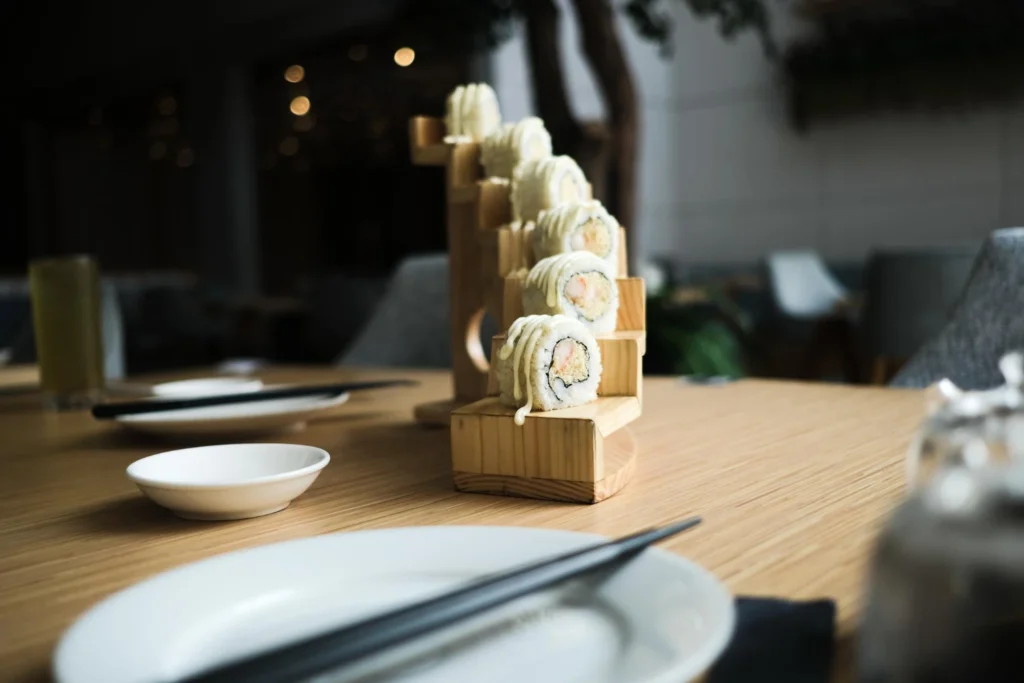
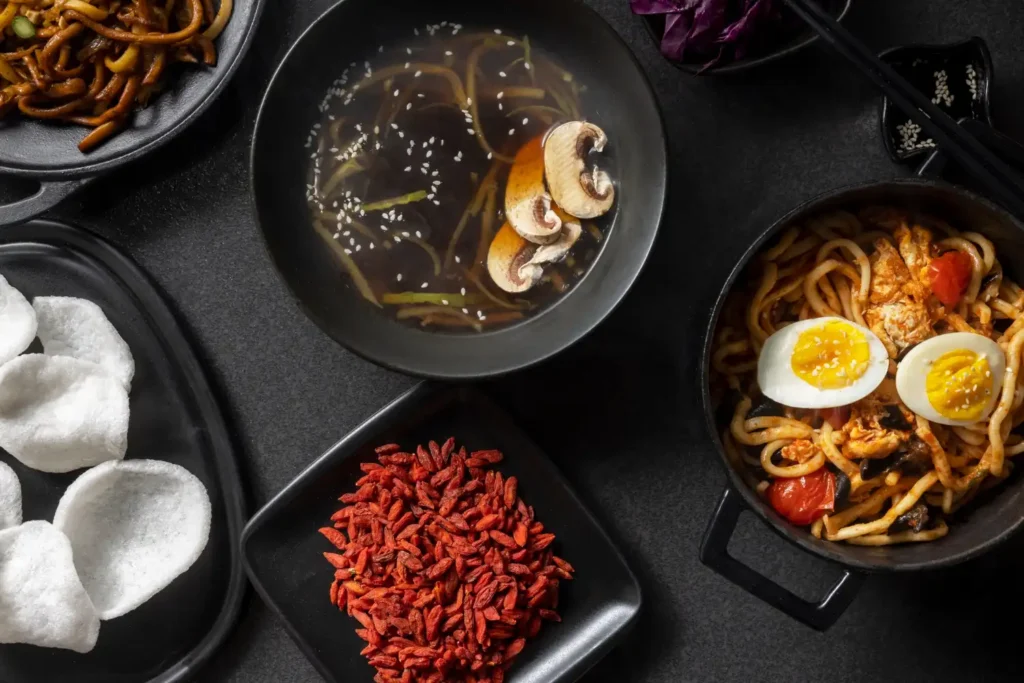
In this kitchen, the cooking happens so fast that there is no time to chop vegetables after an order comes in. Everything must be cut to the exact same size beforehand. This allows the food to cook evenly in the high heat. Prep cooks spend hours slicing meat and dicing onions before the doors even open. Without this prep work, the line cooks would fail in five minutes.
Balancing the Five Flavors
The menu relies on a strict balance of sweet, sour, salty, bitter, and umami. A chef has to taste the sauces constantly because ingredients change. One brand of soy sauce might be saltier than another. Adjusting these ratios on the fly ensures that every dish tastes exactly like the customer remembers it.
Mastering the Wok Station
Controlling the Heat
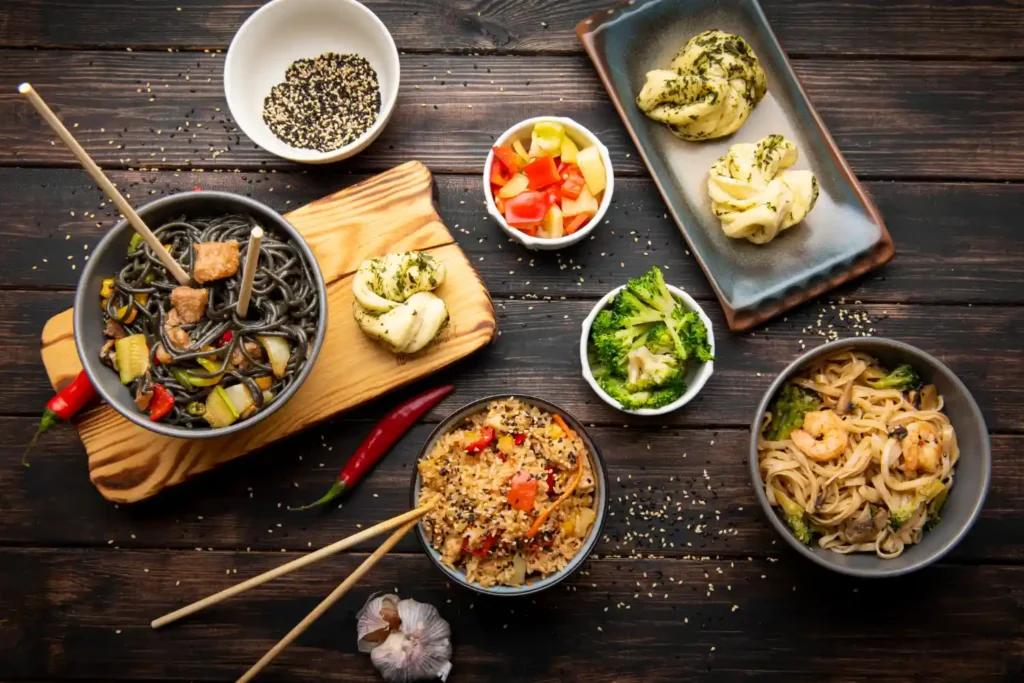
The wok burner sounds like a jet engine for a reason. It generates massive heat to create the specific smoky flavor known as wok hei. The chef controls this power with a knee valve while tossing the food. It is a physical dance that requires strong arms and excellent timing to prevent burning.
Speed and Cleaning
You do not use twenty pans for twenty dishes here. You use one wok and you clean it with water and a bamboo brush between every single order. This happens in seconds while the burner is still roaring. It keeps the flavors clean and allows one chef to push out hundreds of dishes a night.
Safety Hazards
Oil and water mix constantly over an open flame which creates fire. Cooks often have less hair on their arms because of the flare-ups. Burns are common and the kitchen floor can get slippery from the grease vapor. Keeping the station safe requires discipline and the right footwear.
The Business of Takeout
Asian food travels well which makes takeout a huge part of the revenue. This adds a layer of complexity to the front of the house. You need space to stack boxes and staff dedicated just to packing orders.
With experienced writers available, these paper writing services WritePaper create essays that demonstrate both subject knowledge and proper academic formatting.
University standards for writing can be demanding and specific. DoMyEssay.com free AI Homework Helper tool helps students navigate these expectations more effectively.
Packaging Costs
Good containers cost money but cheap ones leak sauce. You have to find a balance between keeping the food hot and not spending all your profit on plastic. If the lid pops off in the delivery bag, you lose a customer forever.
Delivery Logistics
Managing drivers and delivery apps is a full-time job during dinner. The kitchen has to prioritize tickets for people sitting in the dining room while also feeding the drivers waiting at the counter. It is a juggling act that can get very stressful very quickly.