
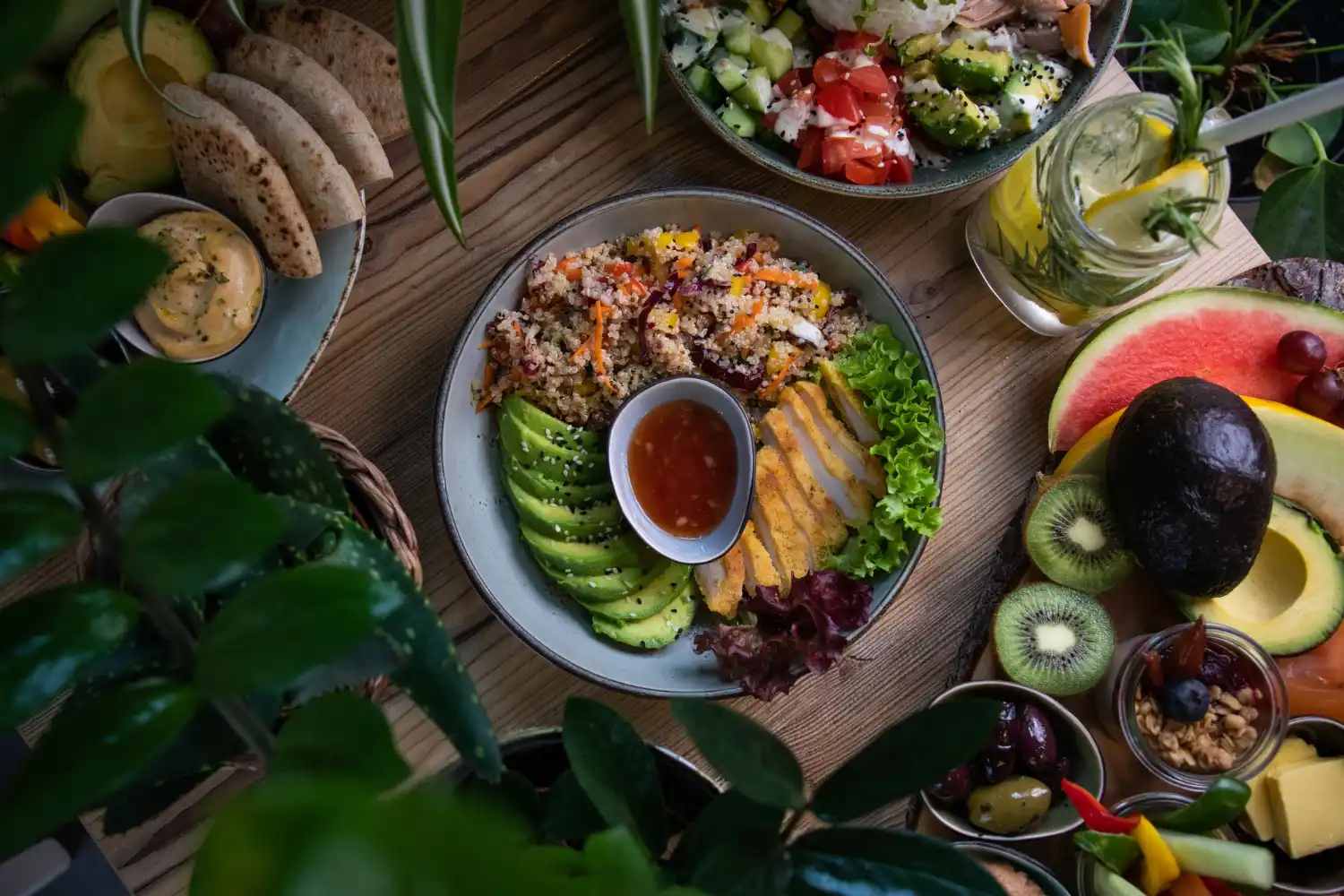
Running a vegan restaurant is often misunderstood by people outside the industry. There is a common belief that removing expensive meat cuts like steak or fish from the menu makes the business cheaper to operate. This could not be further from the truth. In reality, a plant-based kitchen requires a higher level of creativity and labor than almost any other type of cuisine.
You are not just cooking food here. You are often engineering textures and flavors from scratch. When a chef cooks a pork chop, the fat provides the flavor naturally. When a vegan chef cooks a carrot, they have to work ten times harder to make it the star of the plate. This creates a fascinating but difficult business environment that requires strict discipline.
The Myth of Low Food Costs
It is true that a sack of potatoes costs less than a side of beef. However, the volume of produce required to run a busy service is staggering. Vegetables shrink when you cook them. Spinach reduces to almost nothing in a pan. Mushrooms lose half their volume when roasted. You end up buying massive quantities of raw product just to fill a standard plate.
There is also the issue of premium ingredients. Things like cashews, pine nuts, nutritional yeast, and high-quality meat alternatives are very expensive. If you make your own nut cheeses or milks, the cost per ounce can rival imported dairy cheese. You have to balance these expensive items with cheaper grains to keep the menu price acceptable for students and locals.
The Spoilage Clock Ticks Faster
Meat can be frozen or vacuum-sealed for days. Fresh produce has a very short lifespan. A crate of avocados might be perfect on Tuesday morning and completely unusable by Wednesday afternoon.
Managing inventory in a plant-based kitchen is a high-stress job. You cannot over-order because the food will rot. You cannot under-order because you cannot just pull a frozen backup out of the freezer. This forces the kitchen manager to go to the market almost every single day. The delivery logistics are intense and fuel costs for these frequent trips add up quickly.
Fact Sheet: The Hidden Realities
Here are some things that surprise new owners when they enter this space:
- Nut Allergies are a Nightmare: A huge portion of vegan cooking relies on nuts for creaminess. This makes cross-contamination a massive risk that requires strict kitchen protocols.
- The Blender Budget: You will burn through industrial blenders faster than any other equipment. Making smooth sauces from roots and nuts puts extreme stress on motors.
- Water Usage: Washing hundreds of pounds of sandy greens and root vegetables daily drives up the water bill significantly compared to a burger joint.
- Wine Filtering: Not all alcohol is vegan. Many wines use fish bladders or egg whites for filtering. You have to check every single bottle label before you can sell it.
The Labor Intensity of Plants
The biggest cost in a meat-free kitchen is usually the payroll. Vegetables do not arrive ready to cook. They need to be washed, peeled, chopped, diced, and roasted. A single dish might have ten different vegetables in it, each requiring a different prep method.
Meat substitutes often need to be made in-house to taste good. Making a black bean burger from scratch takes time. Soaking lentils, boiling them, mashing them, and forming patties is a long process. In a regular restaurant, you might just open a box of frozen patties. Here, the prep team starts at 6 AM just to get ready for the lunch rush.
Comparative Difficulty: Vegan vs. Traditional Kitchens
It helps to see how this business model stacks up against other common restaurant types. We have broken down the operational friction points below.
| Feature | Vegan Kitchen | Steakhouse | Fast Food |
| Ingredient Shelf Life | Very Low (1-3 days) | High (Vacuum sealed meat) | Very High (Frozen) |
| Prep Time | Extreme (Lots of chopping) | Low (Grill and serve) | Minimal |
| Skill Level Required | High (Must create flavor) | Medium (Temperature control) | Low (Assembly) |
| Food Waste Risk | High | Low | Very Low |
| Profit Margins | Tight | High (Alcohol sales help) | Volume based |
Statistics and Market Movements
The industry is changing fast and the data shows that this is no longer a niche market.
- Customer Base: Industry reports suggest that over 60% of customers at plant-based restaurants are not actually vegan. They are “flexitarians” or people just looking for a lighter meal.
- Growth Rate: The market for plant-based food has exploded in the last five years, growing consistently year over year even when traditional dining slowed down.
- Failure Rate: Despite the popularity, vegan spots close at a similar rate to other restaurants, usually due to the high labor costs we mentioned earlier.
The Flavor Challenge: Umami Without Meat
The hardest part of the job is satisfying the human craving for savory depth. Meat is full of umami. Plants are generally lighter. A good cook has to know how to use fermentation, smoking, and roasting to mimic that satisfaction.
You will see chefs using ingredients like miso, soy sauce, smoked paprika, and dried mushrooms in almost everything. This is not cheating. It is chemistry. You have to trick the brain into feeling full and satisfied without the heavy fats it is used to. If the food tastes “healthy” in a boring way, the restaurant will fail. It has to taste indulgent.
Marketing to the Skeptics
You cannot survive on vegans alone. There are not enough of them in most cities to fill a dining room seven nights a week. Your marketing has to target the boyfriend who loves steak but is being dragged to dinner by his girlfriend.
If you can make a mushroom sandwich that makes a carnivore happy, you have won. The branding usually avoids green leaves and preachy slogans. Modern spots use dark colors, loud music, and heavy branding to show that plants can be cool and aggressive. It is about selling good food that happens to be vegan, rather than selling a political stance.
Is It Worth the Effort?
Despite the endless chopping and the expensive cashews, this is a rewarding sector. You attract a very loyal customer base. People who eat this way are passionate and they will support you if the quality is there.
You also have a lower environmental footprint which appeals to the younger generation. Students and young professionals vote with their wallets today. They want to support businesses that align with their values. If you can master the difficult logistics, you build a community around your tables that is stronger than just a customer list. It becomes a lifestyle hub.